
How Cassandra turned one iPhone photo into a launch-ready coffee shop shoot
Cassandra had spent years saving for the kind of coffee shop she always wanted to open: small, warm, independent, and built for regulars. By the time she got the keys, most of the money had already gone into the lease, fit-out, espresso machine, staff, stock, and opening week.
One quiet phone photo became a warm, busy set of launch visuals she could use across Instagram, her website, Google Business Profile updates, local ads, and opening-week announcements.
Cassandra Reed
First-time founder, independent coffee shop owner, opening her first neighbourhood cafe in Oregon.
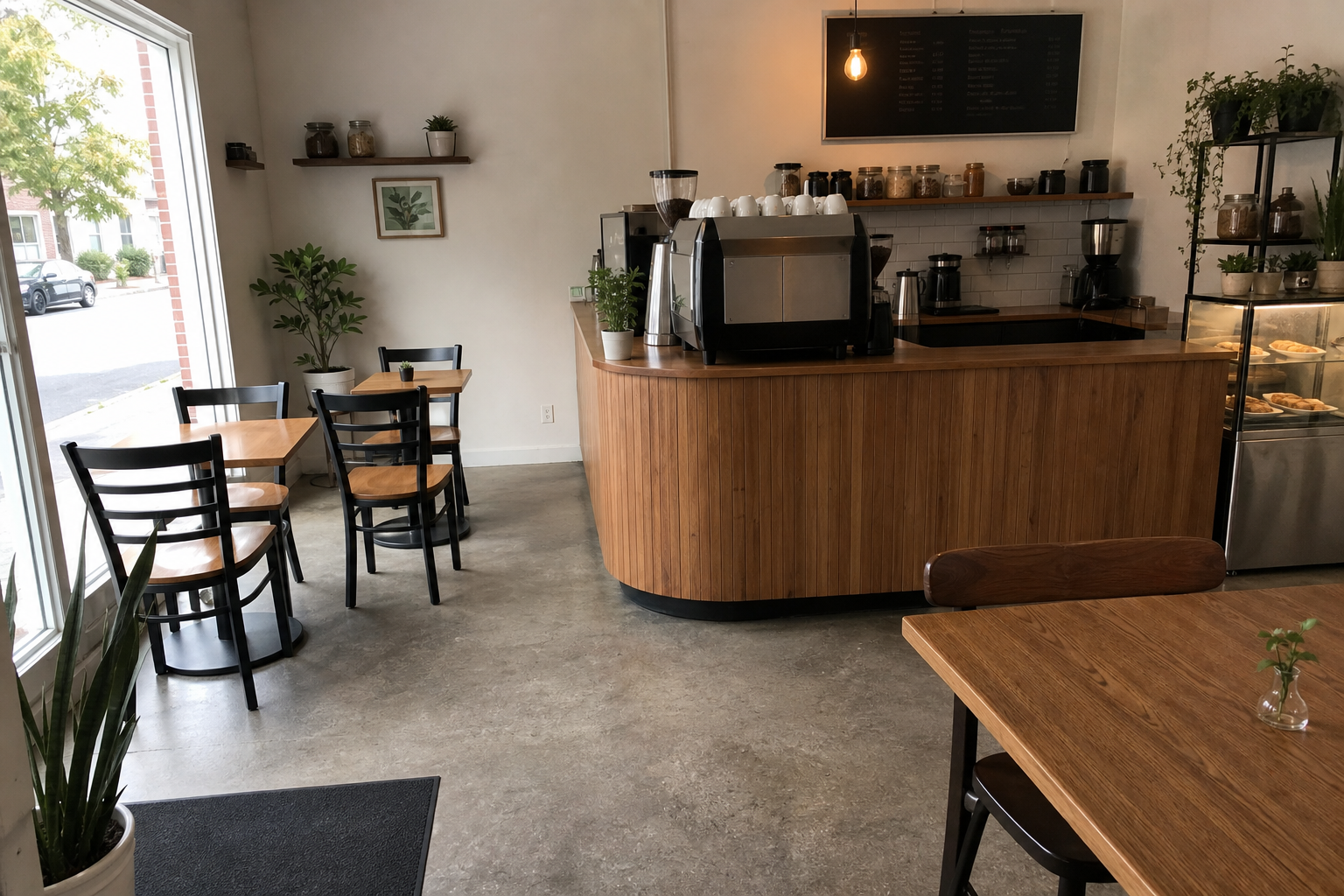
Before
Owner's phone photo
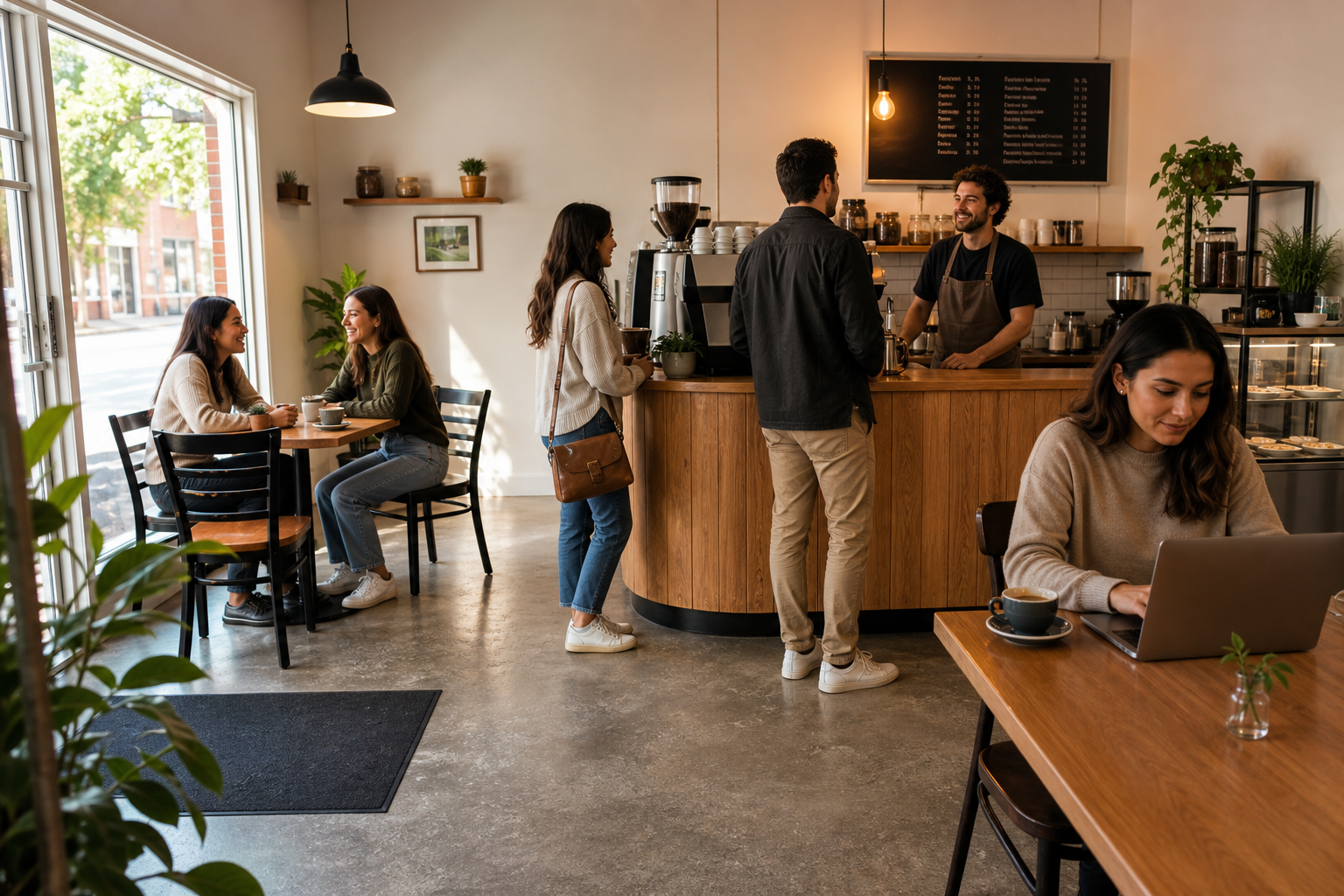
After
Generated lifestyle photoshoot
Owner
Cassandra
Source image
iPhone photo
Shoot setup
No models
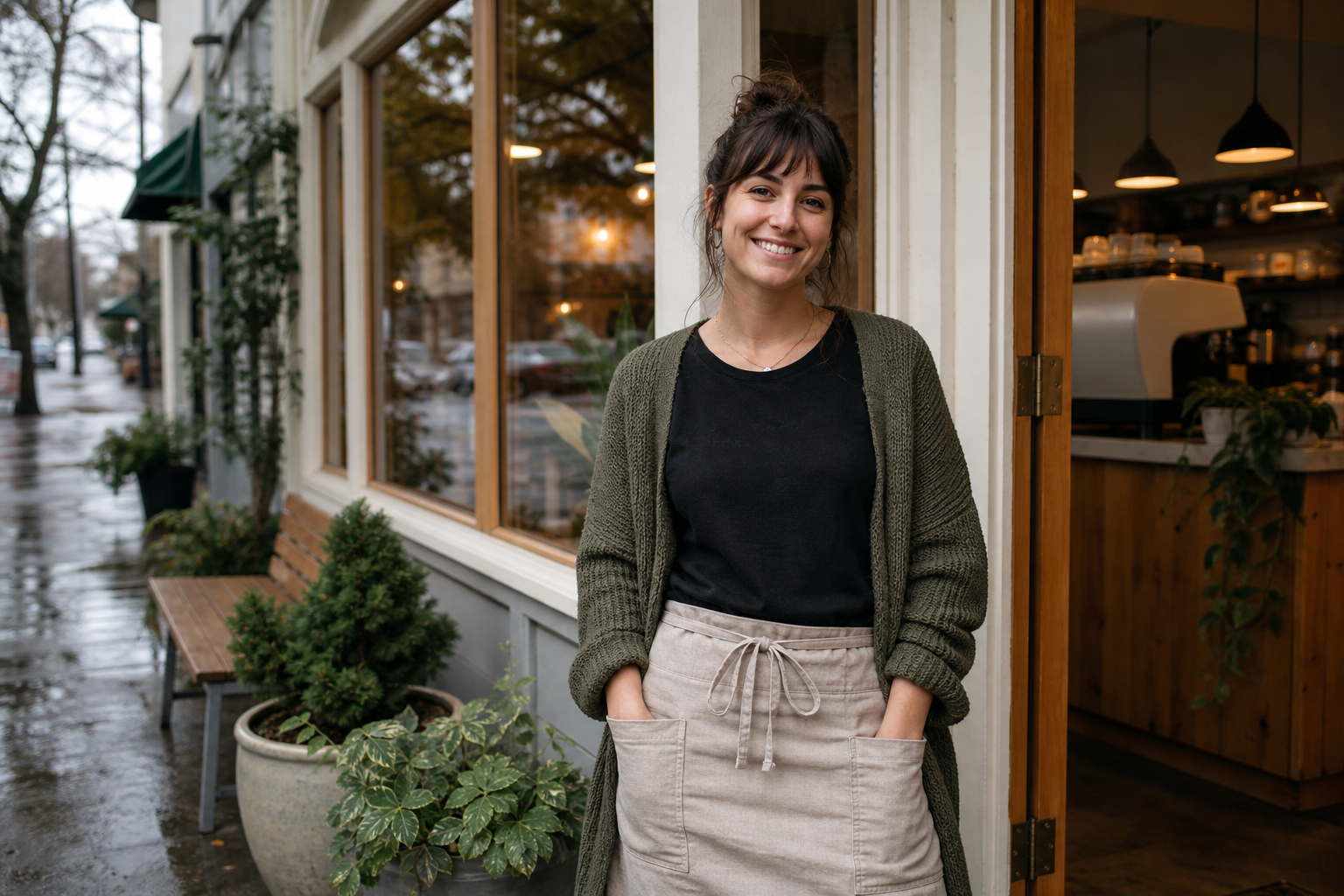
Cassandra's first real shop
Cassandra had worked around coffee for most of her adult life: early opens, closing shifts, wholesale orders, customer names remembered by heart. Opening her own place was the dream she kept coming back to.
When the Portland lease finally came through, the exciting part and the terrifying part arrived together. The shop was real, but every invoice was real too. A traditional launch shoot would have meant a photographer, models, coordination, styling, and time she did not have.
So she did what most owners do. She stood near the door, opened her phone, and took a few practical photos of the room. They were honest, but they did not show the feeling she had built the cafe around.
The launch problem
The cafe was finished enough to open, but the marketing photos made it look quiet. Cassandra had already spent the budget on rent, fit-out, stock, staff, and equipment. A professional shoot would have meant more money, more coordination, and another delay.
What she had
A few quick iPhone shots of a clean but empty room: good enough to remember the space, not strong enough to sell the feeling of the busy neighbourhood coffee shop Cassandra had imagined.
What she needed
Images that showed people ordering, working, chatting, and settling in. The kind of photo that makes someone nearby think, "I could go there this morning."
How the image changed the story
The original photo documented the cafe. The generated photoshoot marketed it. Same space, same counter, same morning light, but now the image showed the promise of the business: friends meeting, people ordering, someone opening a laptop, and the barista already in flow.
One simple upload
Cassandra took a quick photo before opening, while the shop was still empty and the chairs had barely been used.
A full scene created from the room
Instant Photoshoot kept the counter, tables, plants, window light, and layout, then generated the feeling of a real morning rush.
Ready for launch channels
The final image worked for the website, Instagram, opening announcements, paid local posts, and the first Google Business Profile updates.
What changed
A believable busy cafe scene without hiring customers, models, or a photographer.
A visual story that made the shop feel open, warm, and already part of the neighbourhood.
A stronger first impression for social posts, Google Business Profile updates, and launch ads.
A repeatable content workflow for seasonal drinks, morning rushes, remote-work scenes, and weekend brunch moments.
How Zander made New York listings feel lived-in without hiring models
Zander was working in one of the most competitive property markets in the world. Every agent had sharp listing photos, clean copy, and the same promise of location, light, and square footage. He needed his apartments to feel different before a buyer even booked a viewing.
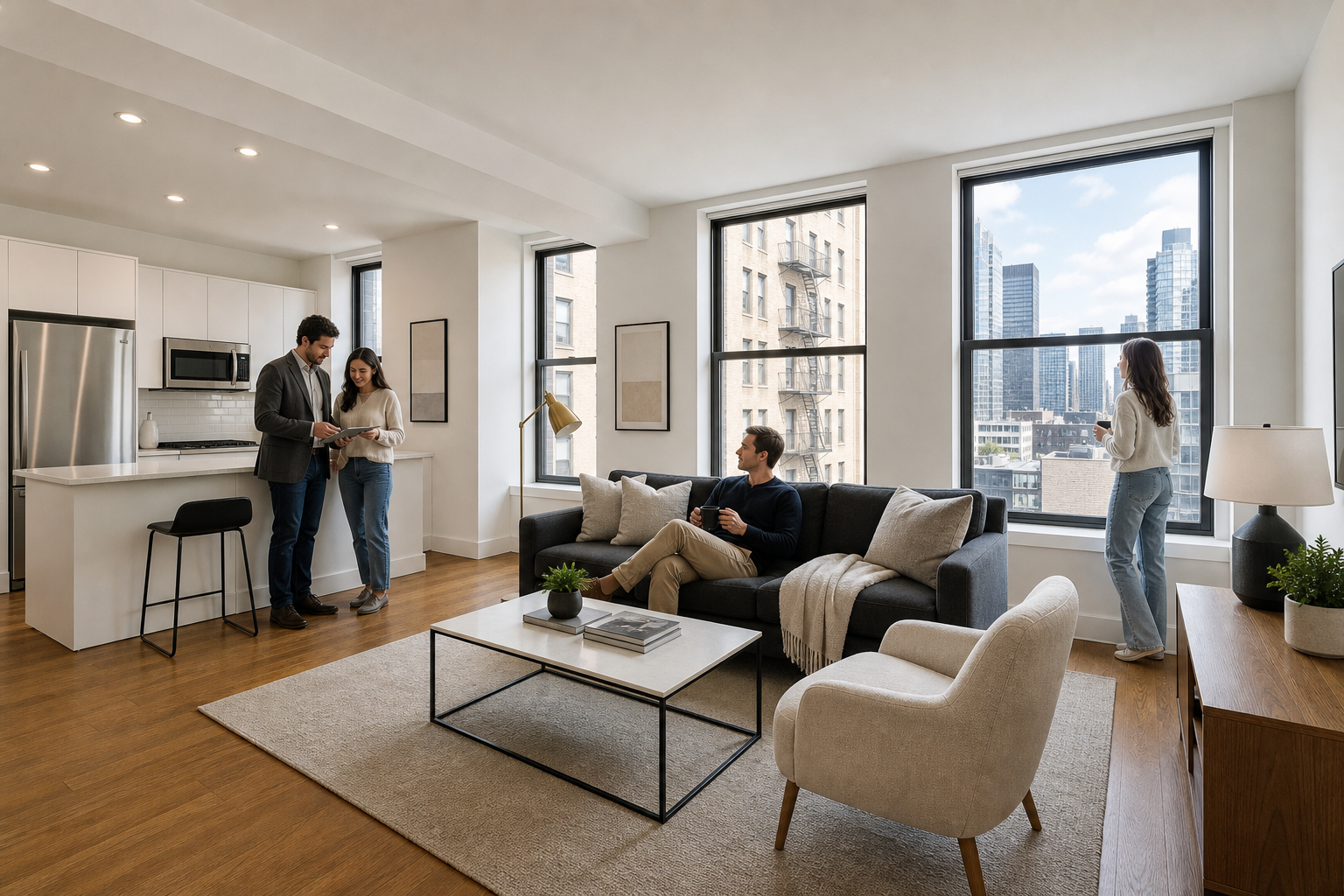
With Instant Photoshoot, he could turn standard listing photos into lifestyle-led visuals: people by the windows, buyers imagining the room, quiet moments that helped sell the life inside the apartment, not just the floor plan.
Zander Hale
Residential real estate agent using lifestyle-led visuals to make New York listings stand out.
Before
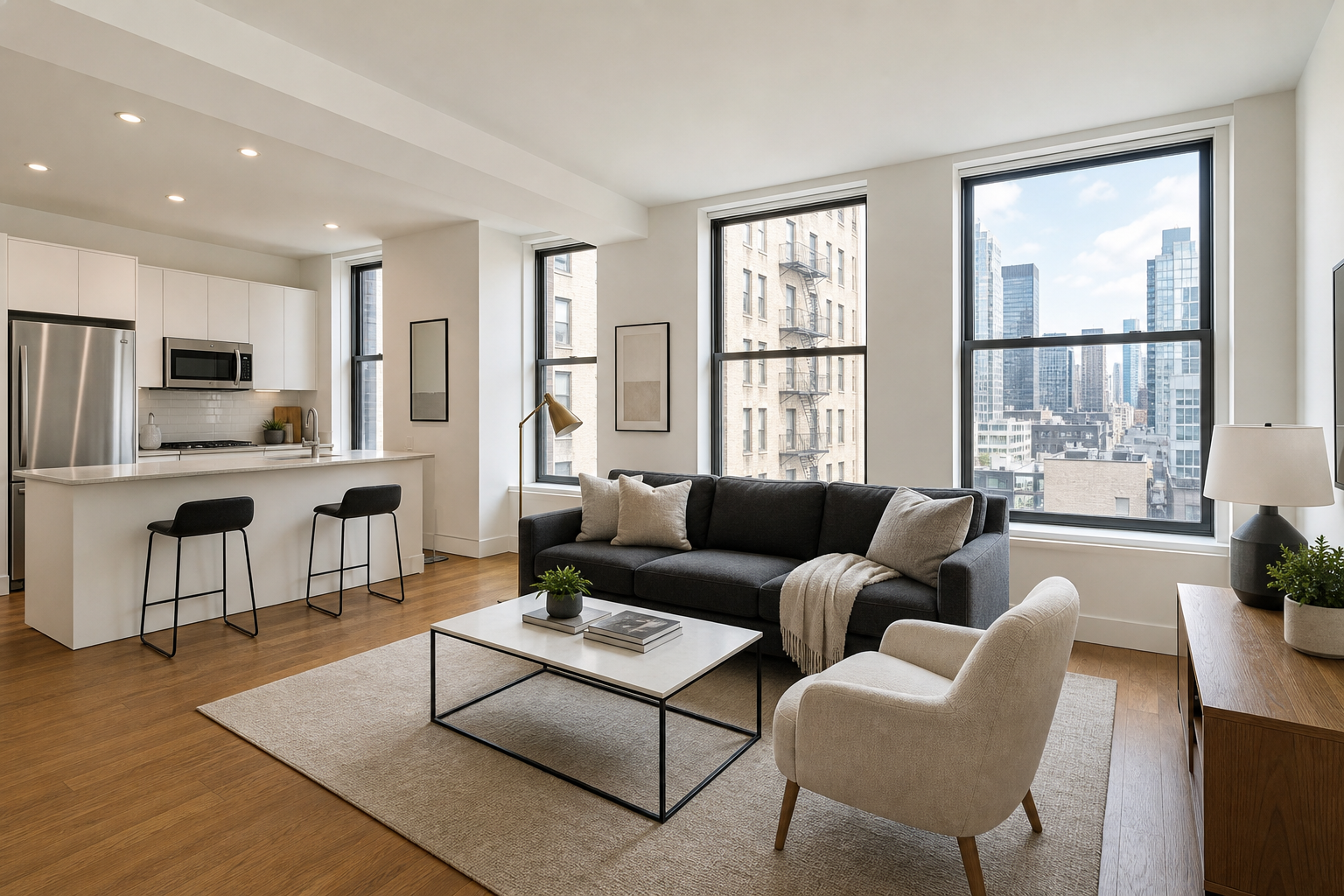
Standard listing photo
After
Lifestyle-led listing image
Owner
Zander
Market
New York
Production
No model releases
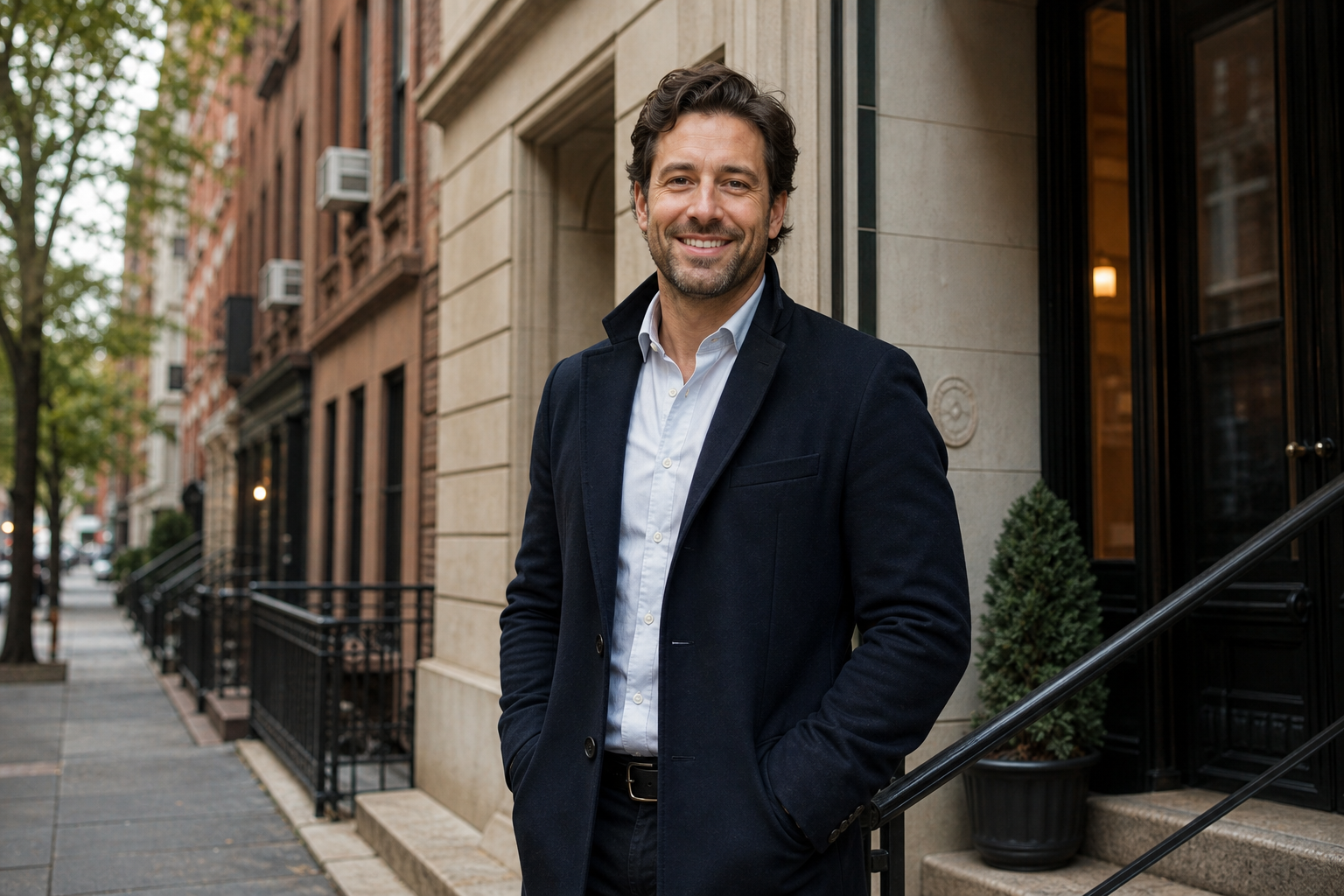
Competing in a city where every listing looks polished
Zander knew New York buyers were scrolling fast. A listing had a few seconds to say something more memorable than bright living room, good windows, nice kitchen. The problem was that everyone else was saying the same thing.
He looked into a full lifestyle shoot: models, photographer, scheduling, release forms, access windows, staging resets, and the extra cost on top of already expensive listing production. For one apartment it was hard to justify. Across multiple listings, it became impossible.
Instant Photoshoot gave him another route. He could keep the actual apartment photography, then create images that showed the kind of life a buyer could step into: morning coffee by the window, a couple reviewing keys, someone settling into the room.
The differentiation problem
In New York, a good apartment photo is the baseline. Zander needed something that helped buyers remember the listing, share it, and picture themselves in it before they ever stepped through the door.
The expensive option
Hire models, book a photographer, coordinate building access, stage the rooms again, collect release forms, and hope the shoot worked before the listing window moved on.
The faster option
Use the real listing photo, then generate lifestyle scenes that made the apartment feel active, premium, and ready to live in.
How Zander changed the listing conversation
The empty image showed the apartment. The generated version showed why someone might want it. That distinction gave Zander more useful marketing material for listing pages, open houses, social posts, and direct buyer follow-ups.
Start with the listing photo
Zander used clean apartment photos he already had, so the room, windows, finishes, and layout stayed central to the listing.
Add believable lifestyle moments
Instead of an empty room, the images showed people using the space naturally: looking out over the city, reviewing keys, and picturing the home.
Skip release-form production
No model bookings, no release forms, no rescheduling around building access, and no extra shoot day layered on top of listing costs.
What changed
Listing photos that stood apart in a crowded New York search feed.
Lifestyle-led images that helped buyers understand how the apartment could feel, not just how it measured.
Marketing assets for listing pages, email campaigns, social posts, open house announcements, and paid ads.
A repeatable way to create differentiated visuals across apartments without rebuilding a production crew each time.
How Frederick and Martha turned a quiet event room into a year-round booking asset
Frederick and Martha opened their Amsterdam boutique hotel later in life, after years of talking about the kind of place they would build if they ever had the chance: intimate, personal, and full of small details guests would remember.
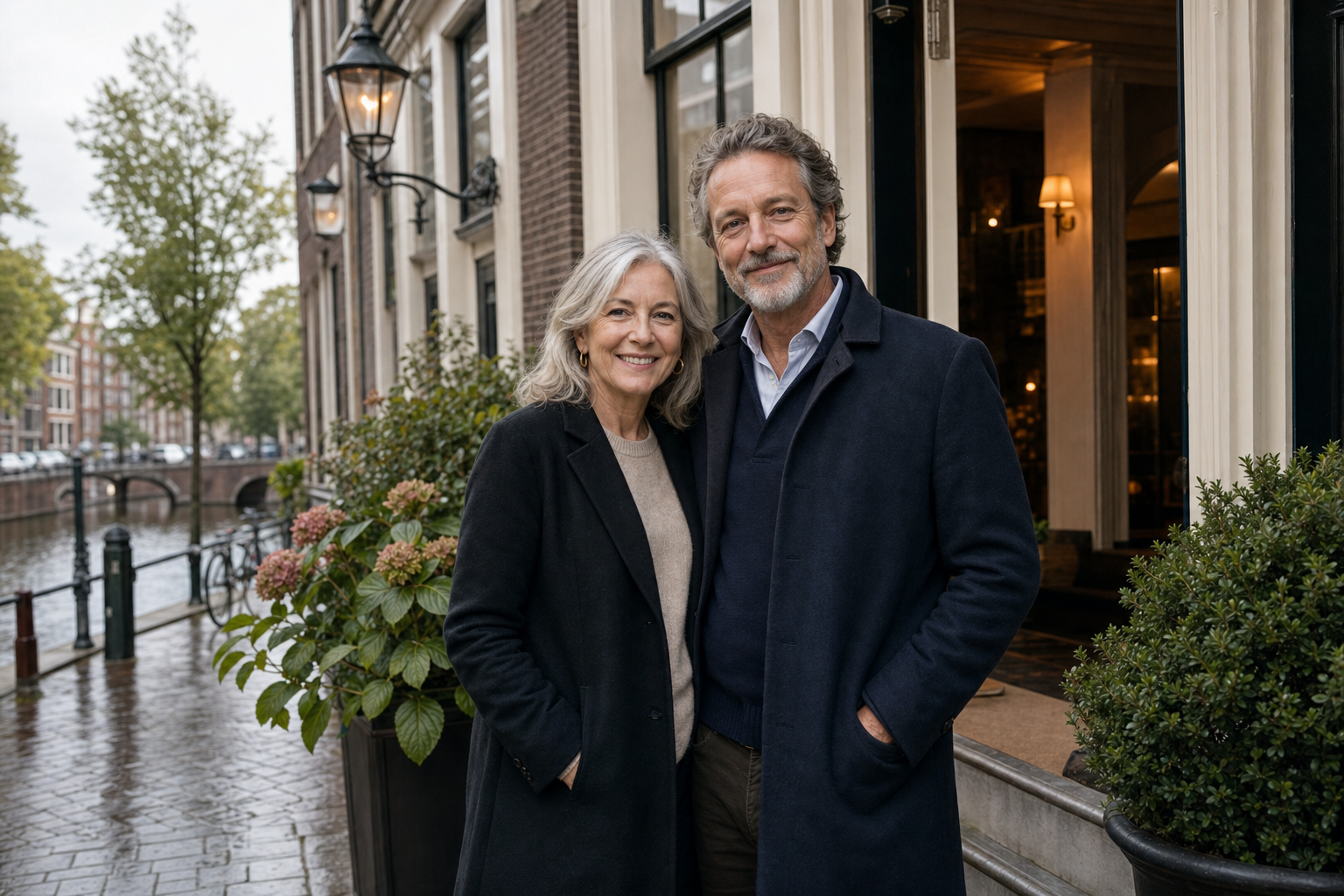
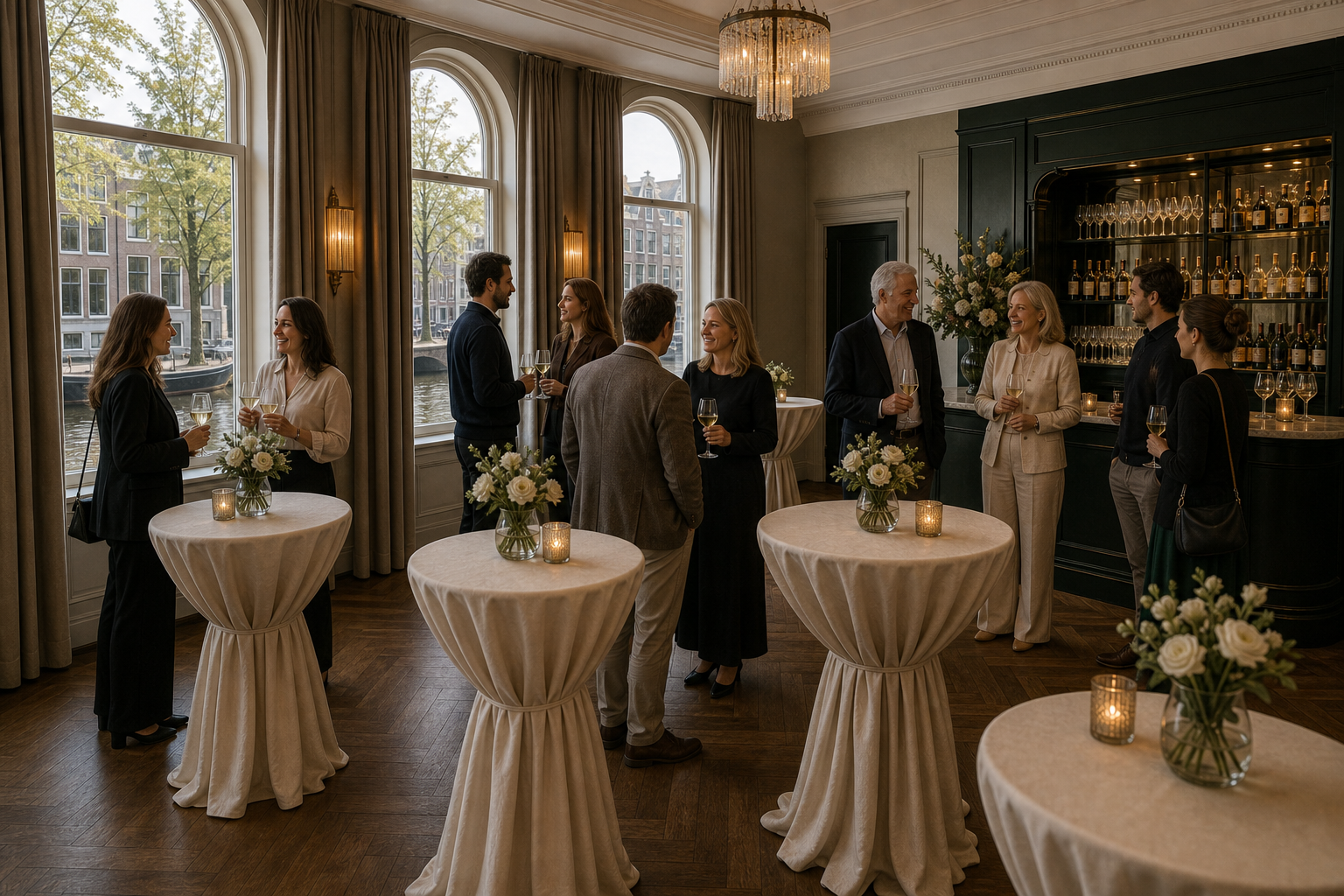
Their small event room had charm, canal views, and a beautiful bar, but empty photos made it hard for guests to imagine a celebration there. Instant Photoshoot let them show the room as a lively private party, with guests gathered around the tables and the couple greeting people themselves.
Frederick and Martha
Boutique hotel owners using guest-filled event visuals to sell the feeling of a private celebration.
Before
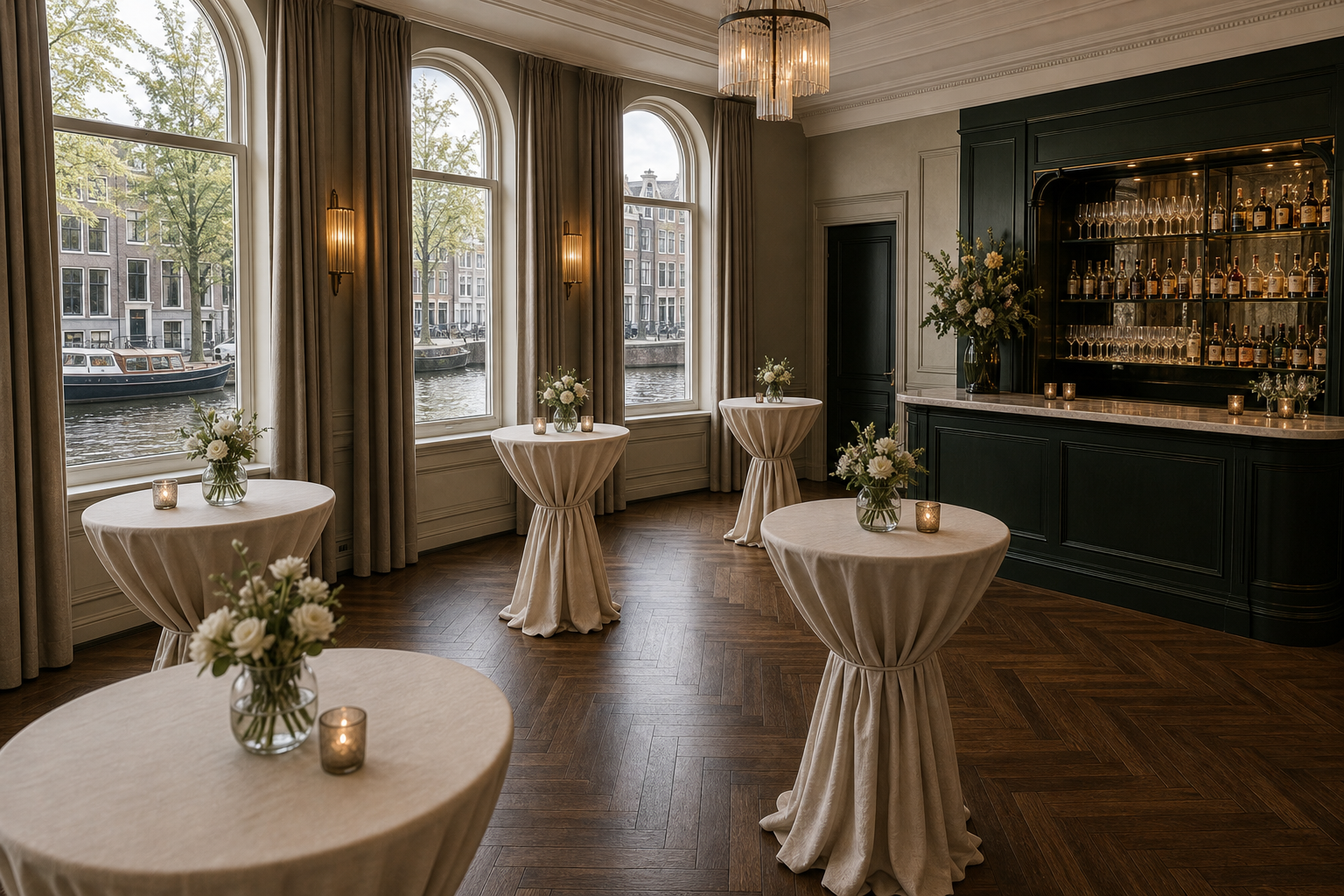
Empty event room
After
Private guest party
Owners
Frederick & Martha
Space
Private events
Result
Year-round bookings
A second-act hotel built around hosting
Frederick had spent decades in hospitality. Martha had a sharper eye for interiors, flowers, and the small gestures that make a guest feel looked after. Opening a boutique hotel in Amsterdam was their second-act dream: not a chain, not a concept, but a place that felt hosted.
The rooms were booking, but the private event space was harder to sell. In person, guests understood it immediately. Online, the empty room looked elegant but quiet. It did not show the birthday dinners, welcome drinks, book launches, family parties, and guest receptions they knew it could hold.
They considered staging a real party for the photos. But hiring guests, coordinating a photographer, arranging drinks and styling, and closing the space for a shoot would have cost more than the campaign could justify.
The event-space problem
The room worked beautifully in person, but the empty photo did not make guests imagine a party. Frederick and Martha needed the room to feel bookable before someone came to see it.
The expensive option
Stage a fake party, invite or hire guests, prepare drinks and styling, book a photographer, and close the space for a full shoot.
The faster option
Use the real event-room photo, then generate the guest party they wanted to promote: lively, tasteful, and clearly hosted in their own hotel.
How the room became easier to sell
The empty room showed the dimensions. The generated guest party showed the occasion. That gave Frederick and Martha a stronger image for event enquiries, website pages, email replies, and social posts promoting private celebrations.
Start with the empty room
They used a clean photo of the event space: the canal windows, cocktail tables, bar, flowers, lighting, and warm boutique-hotel atmosphere.
Create the guest party
Instant Photoshoot populated the room with a believable private event, then placed Frederick and Martha into the scene as hosts greeting guests.
Promote the occasion
The image gave them a stronger way to sell birthdays, guest receptions, corporate drinks, and small celebrations without staging a real party first.
What changed
A private-event visual that showed the room's real potential, not just its furniture.
A more emotional sales asset for the hotel website, event enquiries, email replies, and social posts.
A way to test different event moods without hiring guests, closing the room, or coordinating a full shoot.
A repeatable template for seasonal parties, corporate drinks, family celebrations, and guest receptions.
Turn one quiet room photo into a full marketing story.
Use Instant Photoshoot when the space is ready, but the budget, models, customers, release forms, or photographer are not.